• Skip to primary navigation
  • Skip to main content
  • Skip to primary sidebar
  • Skip to footer
  • Skip to footer navigation

Sub Rosa Mental Services, LLC

Clear Answers Through Comprehensive Evaluation

  • Home
  • About
    • About Us
    • Our Life Coach
    • Shiloh Martin, LPC-S, CCMHC
    • Ellisha Robinson
    • Erica Bacher
  • Services
    • Comprehensive Psychological Evaluations
    • Consultations
    • ESA and PSD Evaluations
    • Online Mental Health Assessments
    • Life Coaching
    • Life Coaching Sessions
    • Continuing Education Courses
  • Resources
    • Articles
    • Forms
    • Other Resources
    • Publications
  • Reviews
    • Reviews / Testimonials
    • Leave a Review
  • Contact

Self Care…What does It Look Like?

April 21, 2022 by Shiloh Martin, LPC-S, CCMHC

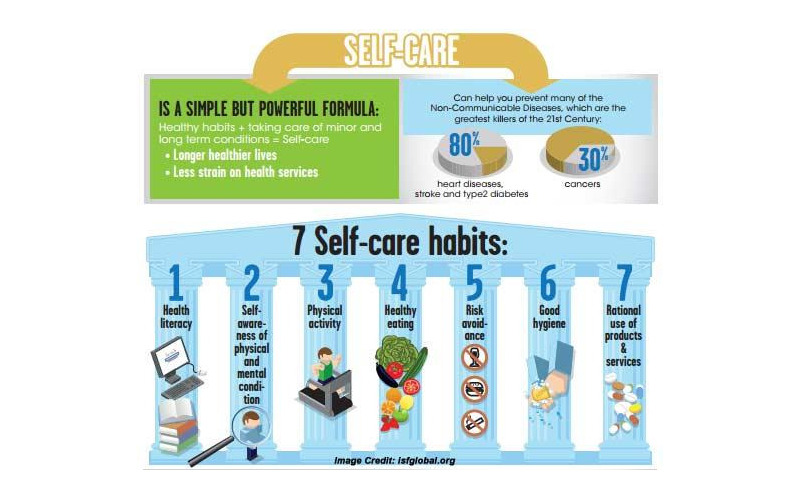
Self-care means taking the time to do things that help you live well and improve both your physical health and mental health. When it comes to your mental health, self-care can help you manage stress, lower your risk of illness, and increase your energy. Even small acts of self-care in your daily life can have a big impact.

Here are some tips to help you get started with self-care:

  • Get regular exercise. Just 30 minutes of physical activity every day can help boost your mood and improve your health. Small amounts of exercise add up, so don’t be discouraged if you can’t do 30 minutes at one time. Do a little at a time until it reaches 30 minutes.
  • Eat healthy, regular meals and stay hydrated. A balanced diet and plenty of water can improve your energy and focus throughout the day. Also, limit caffeinated beverages such as soft drinks or coffee.
  • Make sleep a priority. Stick to a schedule, and make sure you’re getting enough sleep. Blue light from devices and screens can make it harder to fall asleep, so reduce blue light exposure from your phone or computer before bedtime.
  • Try a relaxing activity. Explore relaxation or wellness programs or apps, which may incorporate meditation, muscle relaxation, or breathing exercises. Schedule regular times for these and other healthy activities you enjoy such as journaling.
  • Set goals and priorities. Decide what must get done now and what can wait. Learn to say “no” to new tasks if you start to feel like you’re taking on too much. Try to be mindful of what you have accomplished at the end of the day, not what you have been unable to do.
  • Practice gratitude. Remind yourself daily of things you are grateful for. Be specific. Write them down at night, or replay them in your mind.
  • Focus on positivity. Identify and challenge your negative and unhelpful thoughts.
  • Stay connected. Reach out to your friends or family members who can provide emotional support and practical help.

Self-care looks different for everyone, and it is important to find what you need and enjoy. It may take trial and error to discover what works best for you. In addition, although self-care is not a cure for mental illnesses, understanding what causes or triggers your mild symptoms and what coping techniques work for you can help manage your mental health.


Primary Sidebar

Contact, Like or Follow

  • Email
  • Facebook
  • Twitter

Links & Resources

  • American with Disabilities Act FAQ for Service Animals
  • Different Types of Psychiatric Service Dogs
  • Emotional Support Animals
  • What is the forensic evaluation I am doing?
  • Who Can and Cannot Do Forensic Evaluations for Emotional Support Animals and Psychiatric Service Dogs

Books

Written by Dr. Shiloh W. Martin, the book draws on his personal faith and professional expertise to provide guidance and encouragement for individuals struggling with mental health issues and their loved ones. The book explores various mental illnesses–such as depression, anxiety, and bipolar disorder–and uses scriptures to provide comfort, hope, and practical advice.

Click for details

The Anxiety Solution: Regaining Control and Finding Peace,” extends a helping hand to guide you through the labyrinth of anxiety toward a sanctuary of tranquility.

In this empathetic and insightful guide, you’ll discover practical and proven techniques to not only alleviate anxiety but to empower yourself with lasting peace.

Click for details

Footer

Please Note: Shiloh Martin, PhD provides all forensic evaluations. He is a licensed mental health provider in Alaska, Arizona, Hawaii, Missouri, Oklahoma, South Carolina, Texas, and Georgia. Verification of licensure can be verified through each state's licensure board. Dr. Martin is a Nationally Board Certified Counselor registered WITH NBCC. #271022. NPI# 1255588901.

Copyright © 2025 · SubRosa Mental Services, LLC
Powered by Success Marketing · Log in

  • Disclaimer and Refund Policy
  • Privacy Policy
  • Terms of Use