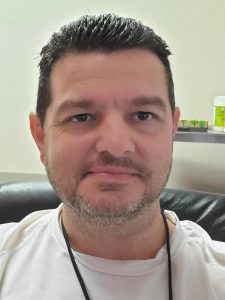
Shiloh Martin, LPC-S, CCMHC is a licensed professional counselor and a certified clinical mental health counselor, with extensive experience providing mental health counseling, evaluation, consultation, and coaching services. Shiloh is committed to helping clients achieve their goals, improve their mental health, and enhance their well-being.
Mental Health Counseling:
Shiloh provides individual, couples, and group counseling services for a variety of mental health issues, including anxiety, depression, relationship issues, trauma, and more. He uses a client-centered and evidence-based approach to therapy, tailoring each treatment plan to meet the unique needs and goals of him clients.
Evaluation Services:
Shiloh provides psychological evaluations for a variety of purposes, including diagnostic clarification, treatment planning, and academic and vocational accommodations.
Consultation Services:
Shiloh offers consultation services for mental health professionals, businesses, and individuals. These services include program development, clinical supervision, business development consultation, and life coaching.
Life Coaching:
Shiloh provides life coaching services to help individuals achieve their personal and professional goals. He uses a strength-based and solution-focused approach, working collaboratively with clients to identify their values, strengths, and challenges.
Business Development Consultation:
Shiloh provides consultation services to businesses and entrepreneurs in the mental health field. He helps his clients develop strategies for business growth, marketing, and financial management.
Forensic Disability Evaluations for Emotional Support Animals and Psychiatric Service Dogs.
Shiloh is “Human Animal Bond Certified” approved by the Human Animal Bond Research Institute (HABRI) and the North American Veterinary Community (NAVC). This gives him a unique insight into Human Animal Bond interactions. It assists him in conducting forensic disability evaluations for Emotional Support Animals and Psychiatric Service Dogs evaluations required under Federal Housing Act and Americans with Disabilities Act.
You can view the certificate by clicking the link.
Shiloh is committed to creating a safe, non-judgmental, and supportive environment for him clients. He believes that every individual has the capacity for growth and change, and he is dedicated to helping him clients reach their full potential. If you are interested in scheduling an appointment or learning more about him services, please contact him today!